
Concentrated power reduces costs
Because U.S. Borax’s Neobor® is a concentrated sodium borate, it offers lower transportation, handling, and storage costs. Stable under ordinary conditions, free-flowing, and easily handled by air or mechanical conveying, Neobor puts the benefits of boron within easy reach for multiple industries.
How can Neobor help you?
Neobor is not only a source of boric oxide (B2O3) in your industrial formulation but also a source of sodium.
Neobor sodium borate benefits industrial processes
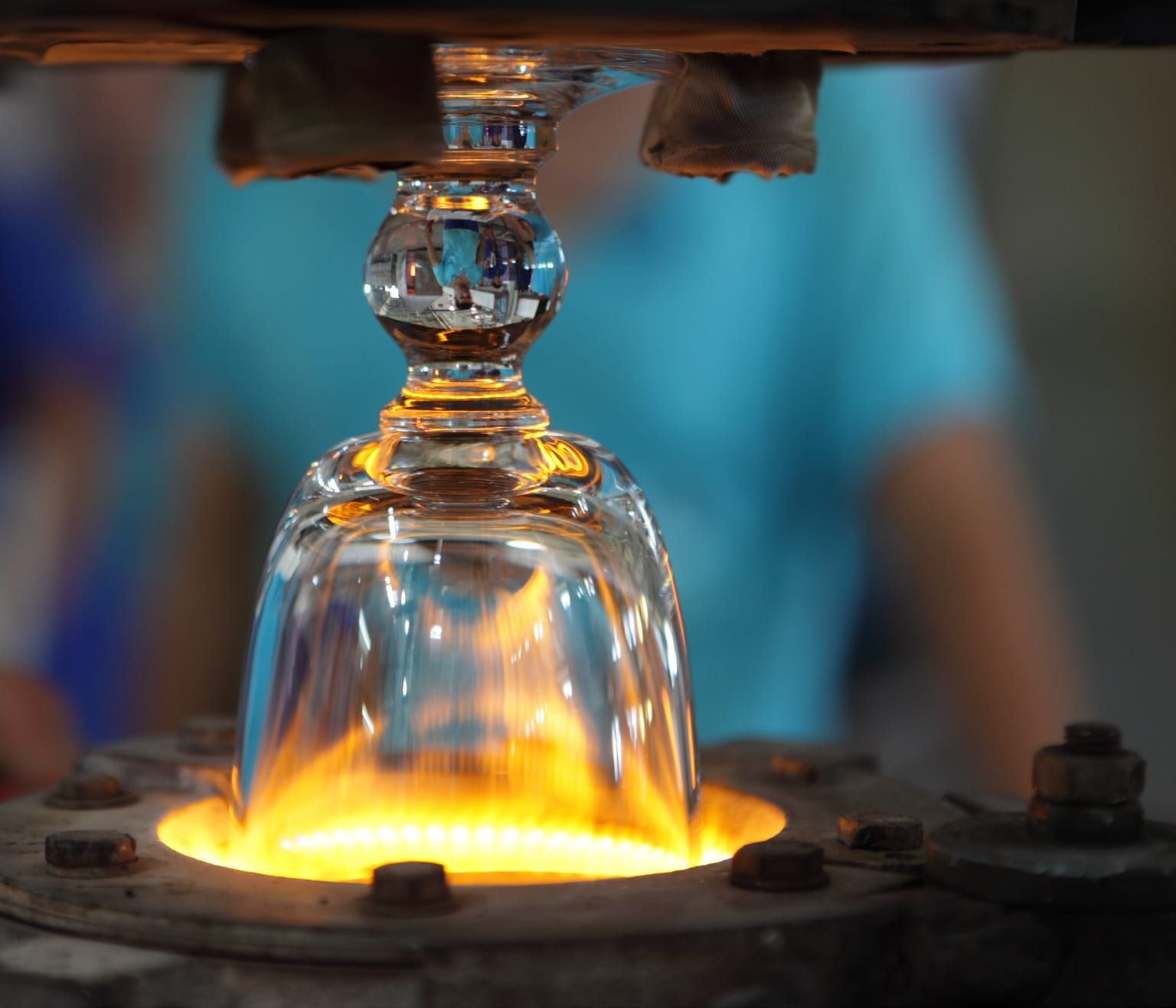
Acts as both flux and network former in glass manufacturing—controlling glass melt and strengthening the final product
Controls the coefficient of expansion which facilitates the thermal fit between glaze and ceramic body
Reduces melting temperatures, inhibits devitrification, and provides a smooth, even finish for ceramics
Stabilizes enzymes in liquid detergents
Is used in the manufacture of automotive antifreeze, water treatment chemicals, and metal-working fluids
Is a cross-linking agent in the manufacture of casein- and dextrin-based adhesives
Neobor improves product performance
Provides a low coefficient of thermal expansion which makes glass resistant to heat, thermal shock, and chemicals
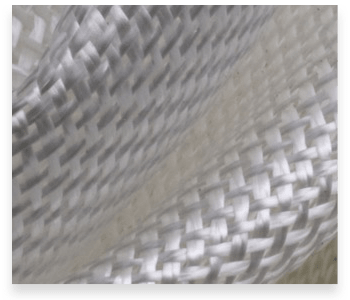
Assists the “fiberizing” of fiberglass and promotes durability
Increases strength, scratch resistance, and chemical resistance of ceramic wares
Prevents crazing and bubbling (pinholing) of ceramic glazes
Improves tack and green strength of adhesives
Acts as a water softener and pH buffering agent in cleansers
Assists in soil removal, emulsification of oils
Gentle abrasive
Inhibits corrosion
Protects ferrous metals against oxidation

Neobor works in combination with other products
Neobor can be combined with Optibor® to control the sodium-to-boron ratio in certain glass manufacturing.
In combination with U.S. Borax boric acid, Neobor is particularly effective in reducing the flammability of cellulosic materials. By changing the oxidation reactions in the combustion of cellulosic materials, these borate products cause the formation of carbon residue, which is a barrier to combustion and diverts the decomposition products that would otherwise smolder.
When combined with polyhydroxyl compounds, Neobor can be used for viscosity control in detergents and is often added to formulations to clean hard surfaces such as metals, glass, and toilet bowls.


Technical details
Neobor is the most stable of the three sodium borates and is ideally suited to bulk transfer. It shows little tendency to cake, except after prolonged storage or severe wetting by rain or other substantial water ingress.
Dissolved in water, Neobor TG hydrolyzes to create a mildly alkaline solution capable of neutralizing acids. It also combines with strong alkalis to form compounds of a lower pH. The relatively constant pH of Neobor solutions makes it an excellent buffering agent.
By reducing glass viscosity, the addition of Neobor TG progressively lowers both the melting and fiberizing temperatures of insulation fiberglass. By increasing aqueous durability, it improves the insulation’s resistance to atmospheric corrosion.
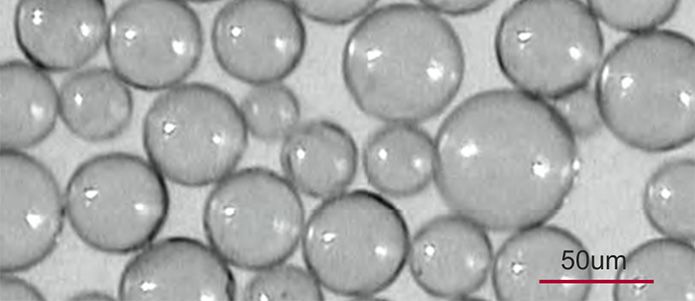
Neobor TG’s sieve specification is US sieve No. 8, with a mesh size of 2.36 mm and a retained guarantee of ≤ 1.0%.


We’re here to help with your boron needs.


Get technical support
Your resource for borate-related technical and laboratory services across every industry

Request a sample
Get small quantities of our products to ensure you have what you need for your formulation or process