Boron in industrial fluids and lubricants
Industrial fluid formulations are complex. It’s difficult to strike the right balance of additives to achieve desired characteristics, without disrupting sensitive processes or risk failing regulation requirements. That’s what makes boron a preferred additive choice.
Who you partner with to source your boron also matters; a supplier dictates your industrial fluid’s efficacy. Product quality, particle size distribution (PSD), and technical guidance are all key considerations when sourcing borates for your industrial fluid formulations.
As a global leader in refined borates, U.S. Borax can help your fluid formulations to meet quality standards and exceed customer expectations.


How borates impact industrial fluid performance
Borates keep equipment running efficiently by counteracting and preventing harmful effects.
For decades, borates have enhanced the properties of industrial and automotive fluids. Their wide use stems from the challenges they can help you address such as:
Preventing corrosion and sludge formation
Controlling and balancing pH
Reducing freezing point
Elevating boiling point
Reducing moisture sensitivity
Stabilizing thermal oxidation
Fighting harmful microorganisms (antimicrobial)
Boron in lubricants
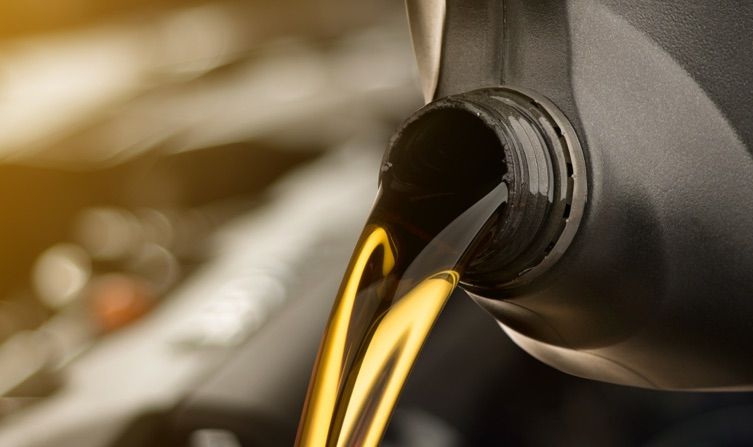
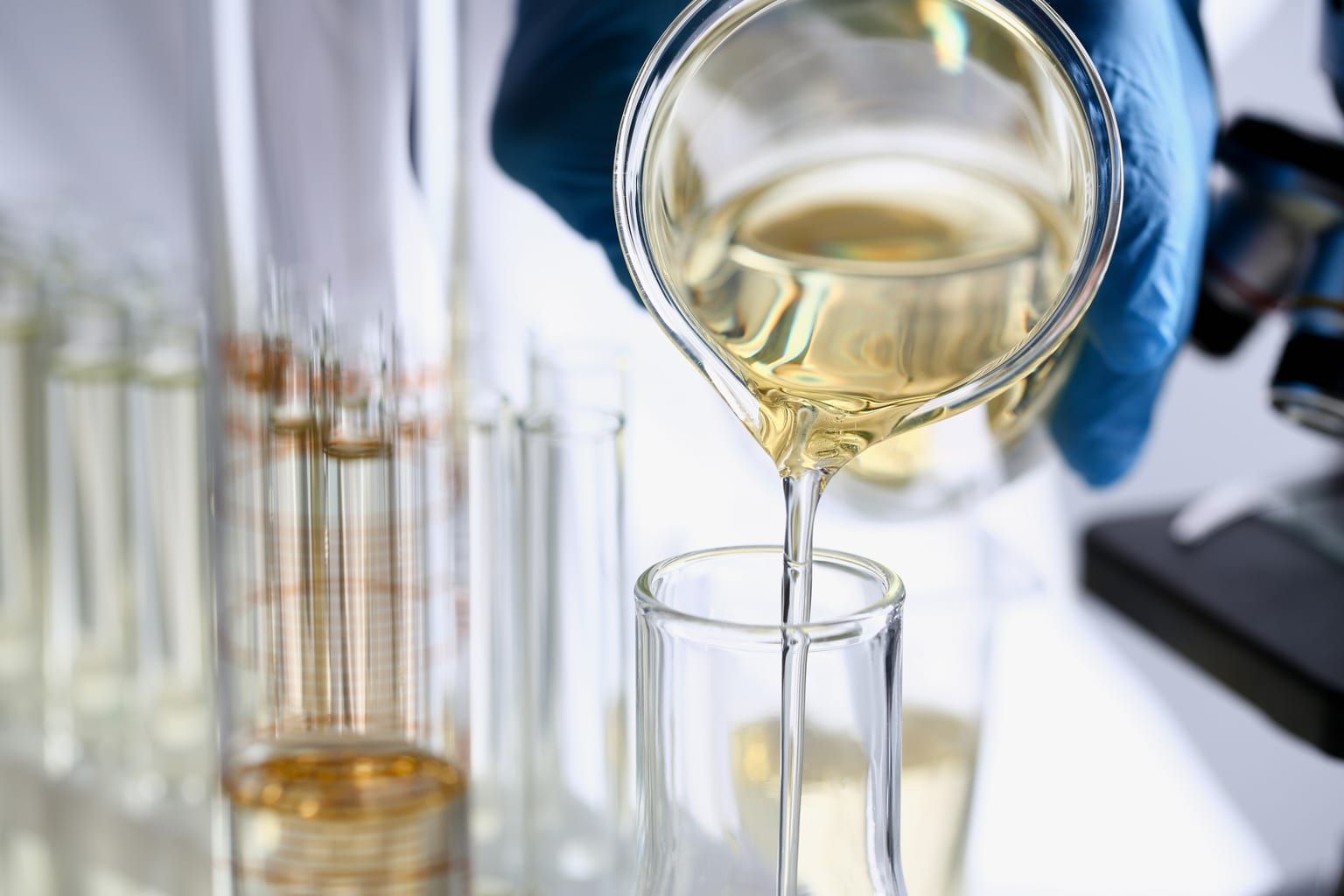
To produce a lubricant, you must blend additives, viscosity modifiers, ashless dispersants, detergents, inhibitors, anti-wear agents, friction modifiers, and flow enhancers into a base oil stock.
Because there are several inputs, you must look for a synergistic additive such as borates to enhance a formulation without subverting functionality.
Extreme-pressure additives
Alkali borate microspheres are very stable in their dispersion, making them highly useful in the production of extreme-pressure additives. Inorganic borate spheres interact with metal surfaces to form a highly resistant film, providing load-carrying capacity and wear protection. Additives containing nitrogen and boron—prepared by reacting polyamines, carboxylate esters, or amine/ester mixtures with boric acid or boric oxide at elevated temperatures—have also been proposed for lubricating oil compositions.
High-performing boron lubricants have:
Excellent thermal oxidative stability
Reduced friction
High-temperature anticorrosion
Low sludge pumpability at low temperatures
Good elastomer compatibility
Good storage stability
No sulfur odor
Automotive industrial fluids
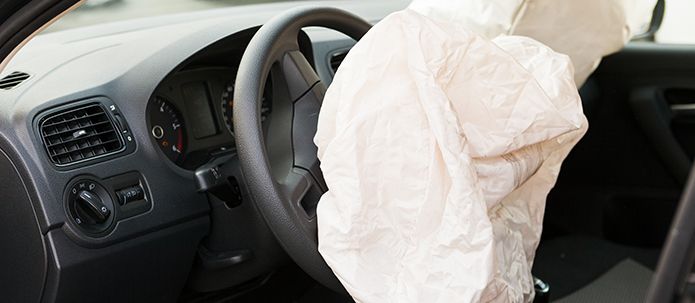
Borates can play a critical role in your industrial fluid formulations, preventing severe engine damage and ensuring the proper function of other vehicle parts. Your concentration matters if you want to pass U.S. Department of Transportation (DOT) required tests.
Learn more about borates’ role in automotive fluids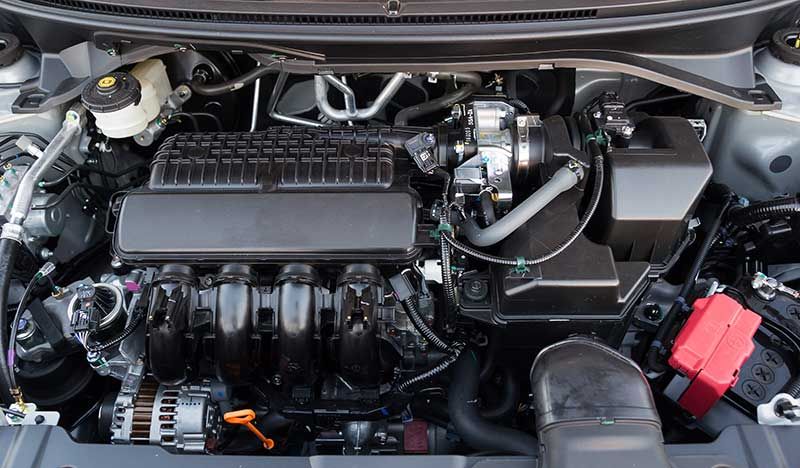
Brake fluids
Borate esters in brake fluids can partially replace glycol ethers in moisture-sensitive brake fluids to prevent loss of brake power—also called vapor lock. A reaction between triethylene monoalkyl ethers and Optibor® (boric acid) creates the borate esters.
When moisture is absorbed into the brake fluid, the borate esters are converted back to boric acid and glycol ethers. The released boric acid remains dissolved in the fluid and so has a minimum effect on the boiling point.
Fuel additives
Including borate esters in automotive fuel additives:
Keeps carburetors clean
Prevents pre-ignition
For aviation purposes, borates can prevent bacterial and fungal growth in storage or use tanks, yielding a clean-burning fuel.
Antifreeze
You need borates if you want to prevent your glycol-based antifreeze from oxidizing and producing corrosive organic acids in automotive coolant systems. Borates’ buffering action keeps pH levels above 7 to inhibit corrosion and prevent acid formation.

Improving function of metalworking fluid formulations
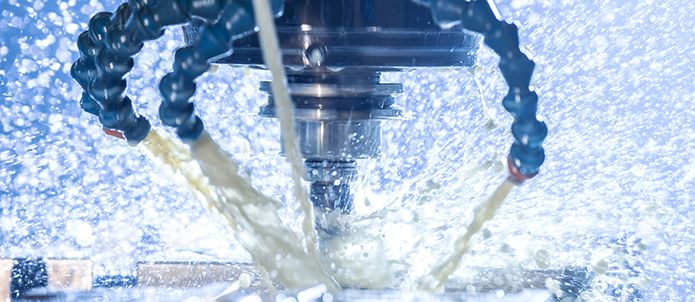
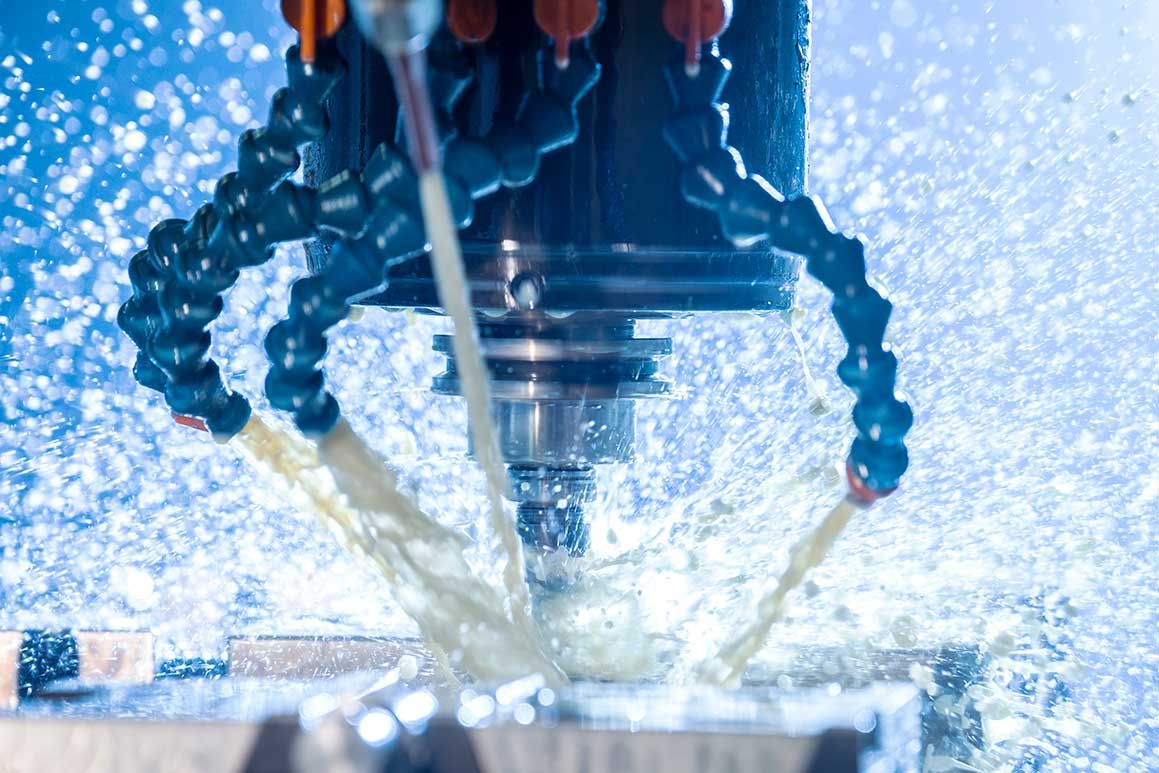
A high-quality metalworking fluid formulation reduces friction, prolongs your equipment’s life, and maintains productivity.
Borates from U.S. Borax, which feature reliable and stable characteristics, make it easier to:
Inhibit rust and corrosion
Buffer pH level
Reduce friction and wear
Provide efficient cooling
Fight harmful bacteria and microbes
Remove fines, chips, and swarfs from operating tools and surfaces

Water-based metalworking fluid formulation
Inhibiting corrosion is a primary concern for water-based metalworking fluid formulations. Recently, metal producers have reduced or eliminated nitrite from formulations over potential health concerns. Two borate-based replacements have emerged, one featuring Optibor boric acid and another with borax decahydrate.
Metal cutting fluids
Boric acid alkanolamine esters enabled the development of safer, high-quality water-miscible cutting fluids with longer emulsion charge life. These esters act as bacteriostatic agents and inhibit corrosion.
Learn more about borates’ role in metalworking fluid formulationsWhy choose U.S. Borax for industrial fluids?
Consistent, high-quality refined borates
So much depends on adding the right inputs in your industrial fluid formulations. Our rigid quality control ensures you get consistent, high-quality products in every order across key factors such as:
Purity
Particle size distribution
Free flowing (limited caking)
Premier technical support and resources
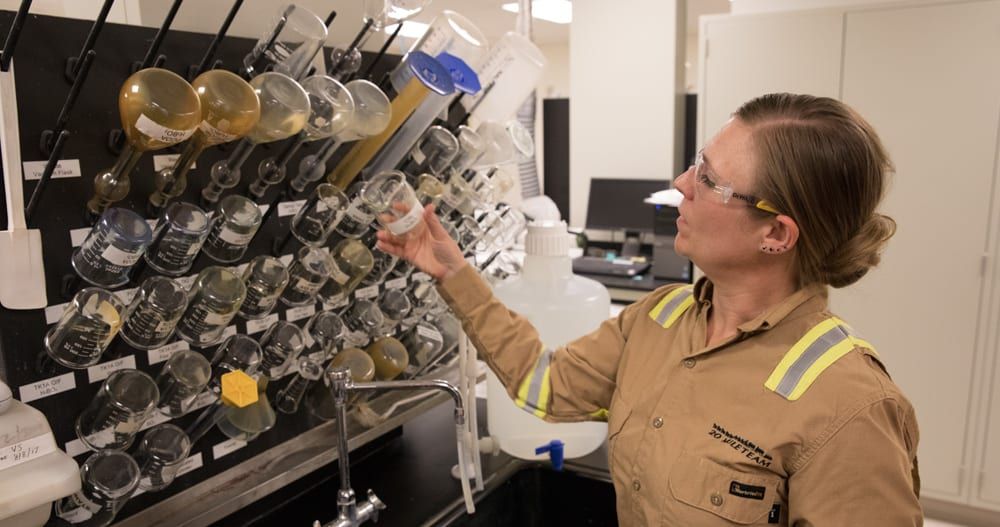
From quality to compliance to application methods, our dedicated team of technical experts is a trusted resource for all your inquiries. Working with U.S. Borax, you can see detailed:
Quarterly purity and PSD reports
Product data sheets
Lot number system explanations
Complaint handling
Robust technical resources and support ensures your formulations meet your manufacturing needs, product requirements, and any regulatory requirements.