Boron in ceramics, enamels, and glazes
Improvements in manufacturing techniques, processes, and formulations have enabled significant advances in the production of traditional, commercial, and high-tech ceramics. Key to these improvements is rigorous control of both your formulation and firing process. You must be able to rely on the quality and consistency of input materials—particularly the borates that produce frits and act as the flux and network former in ceramics, enamels, and glazes. Lower quality borates contain impurities and deliver widely variable percentages of boric oxide (B2O3), increasing the chance of defects such as pinholes, blisters, cracking, and poor adhesion. When you struggle to meet customer and industry standards, you face costly scrap and rework—a poor tradeoff that impacts your productivity, profits, and reputation.


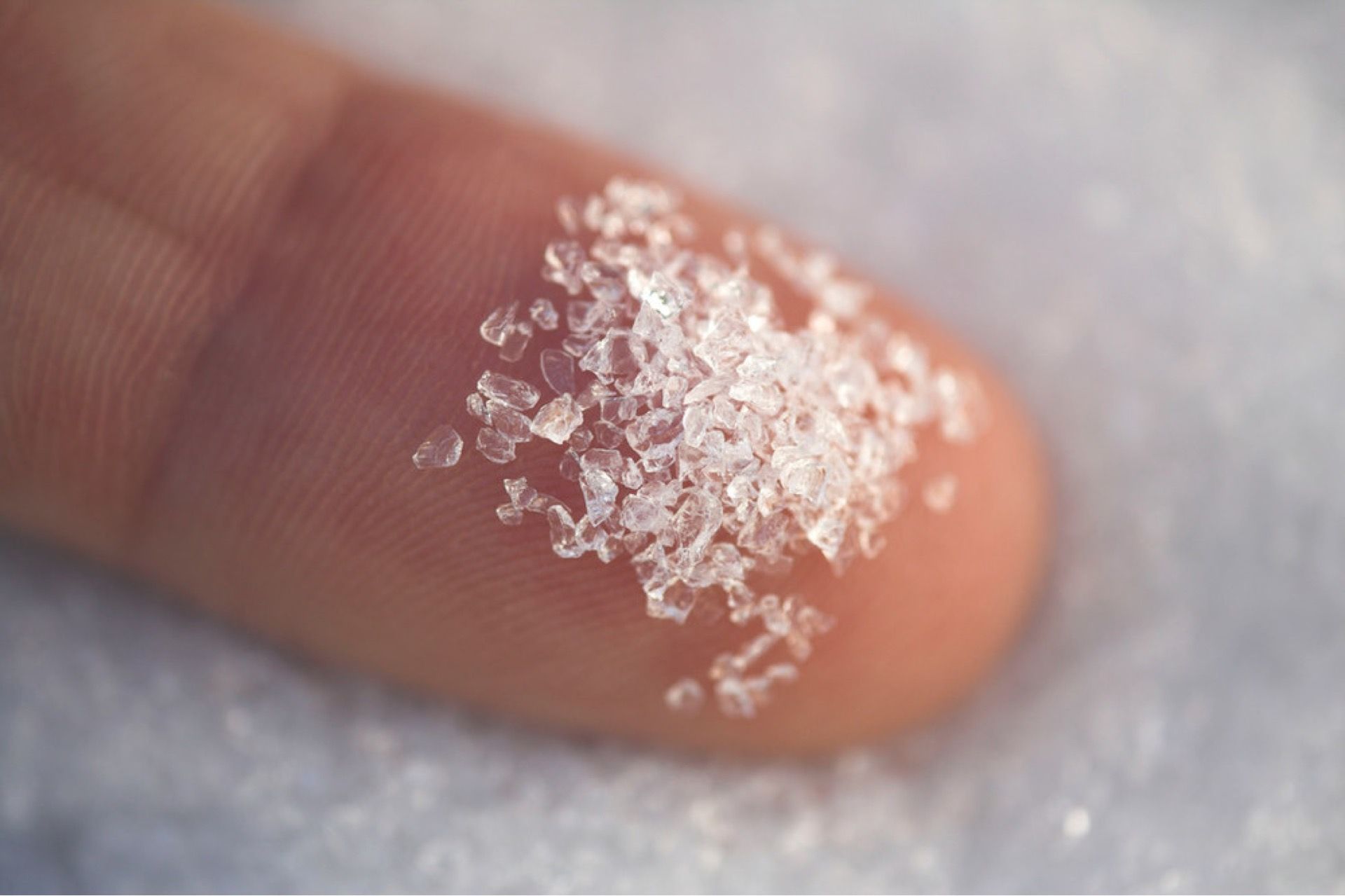
High-quality refined borates help fine-tune frits and formulations
Many types of borates are used to produce frits for ceramics, enamels, and glazes—and a variety of factors influence the selection of the right borate for your application.
Better borates enhance beauty and function
In the manufacture of traditional ceramics, products such as U.S. Borax Boric Oxide and Neobor® sodium borate provide concentrated borates that increase strength and improve resistance to scratches and chemicals for ceramic wares such as:
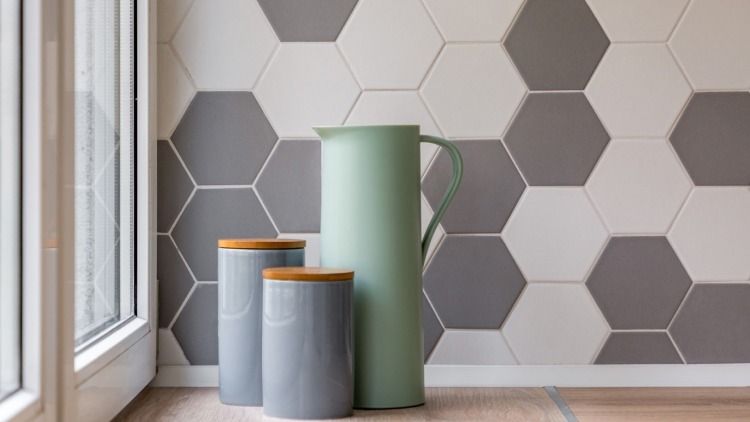
Floor and wall tile
Domestic tableware and cookware
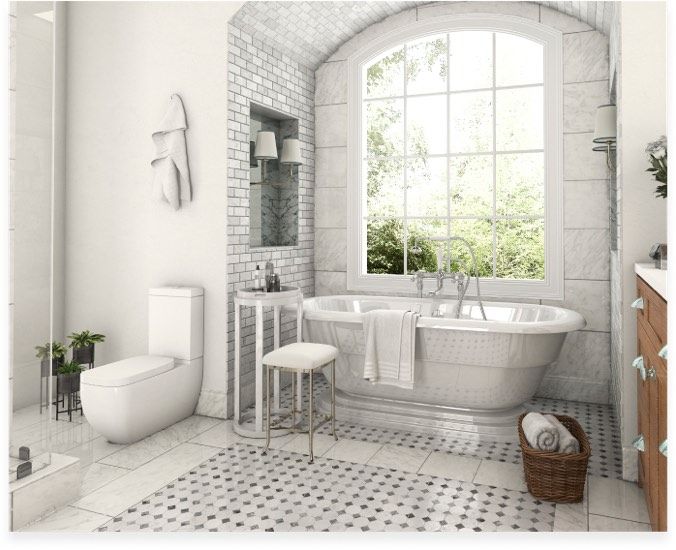
Sanitary ware such as ceramic plumbing fixtures
Bricks and roof tiles
Refractories for lining boilers, furnaces, reactors, and kilns

High-purity borates for technically advanced ceramics
Borates such as Optibor® boric acid and U.S. Borax Boric Oxide are integral to the formation of the molecular structure of advanced ceramics such as boron carbide, boron nitride, titanium diboride, and zirconium diboride. Borate purity is essential in these high-tech materials, which form:
Electronic ceramics such as those used in spark plugs, electronic capacitors and resistors, as well as rigid and flexible display panels
Structural ceramics, which provide exceptional strength and hardness for applications as diverse as hip and dental implants, heat exchangers, and engine combustion-chamber linings
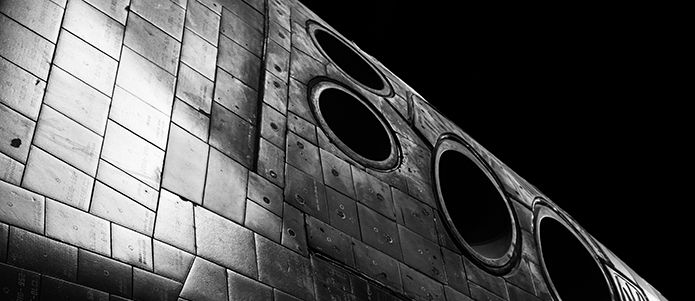
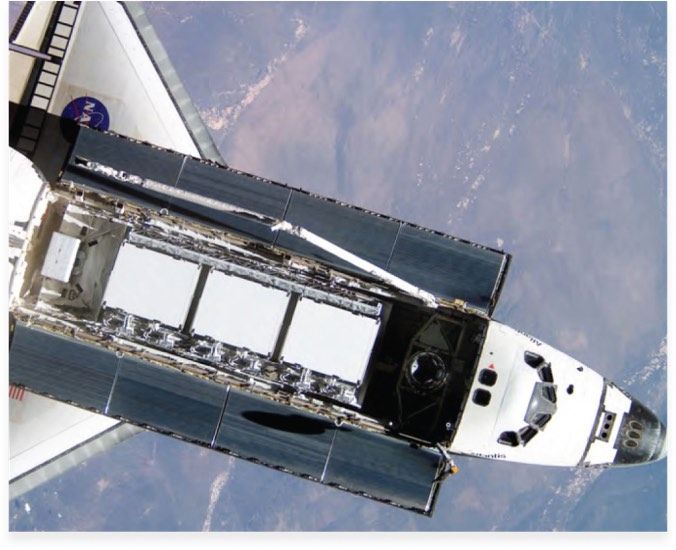
Ceramic matrix composites that offer high performance in extreme conditions for applications such as gas turbines, thermal tiles for spacecraft, and fusion reactor walls
Ceramic coatings for protecting equipment from abrasion and corrosion in industries such as mining and slurry transport
Read about the vast range of ceramic applications that rely on borates
Borates for durable enamels and glazes
Unprotected ceramics, metals, and composite materials are often susceptible to surface damage. Enamels and glazes make such materials easier to use in a variety of applications. Purpose-specific borates such as those in Neobor and Dehybor® improve adhesion and provide a strong thermal bond between the base and the protective surface—while helping reduce production costs.
Dehybor’s higher bulk density can reduce transportation and material handling costs while its anhydrous nature enables it to melt more rapidly than 5- and 10-mol borax—reducing the energy needed for production
Because Neobor is a concentrated sodium borate, it offers lower transportation, handling, and storage costs
Why use U.S. Borax refined borates in your ceramics, enamels, and glazes?
U.S. Borax understands the complexity of the ceramics industry. Our technical experts can help you find the right balance of cost, efficacy, and compliance.
Quality matters: Pure, consistent borates improve your process
Quality in, quality out. To produce a consistently high-quality product, you need a borate that has:
High quality and purity
Consistent boric oxide (B2O3) content
Consistent particle size distribution (PSD)
Our ISO 9001:2015-certified Quality Lab ensures product purity through continuous testing and quality management best practices, from mine to final packaging. Titration testing helps prevent variation during processing. And once final checks are complete, lot codes ensure product traceability.
The result? Better outcomes, including:
Strong adhesion between enamel frit layer and substrate body
Reduced scaling, pitting, pinholes, blisters, and cracking
Less pre-process mitigation to remove impurities
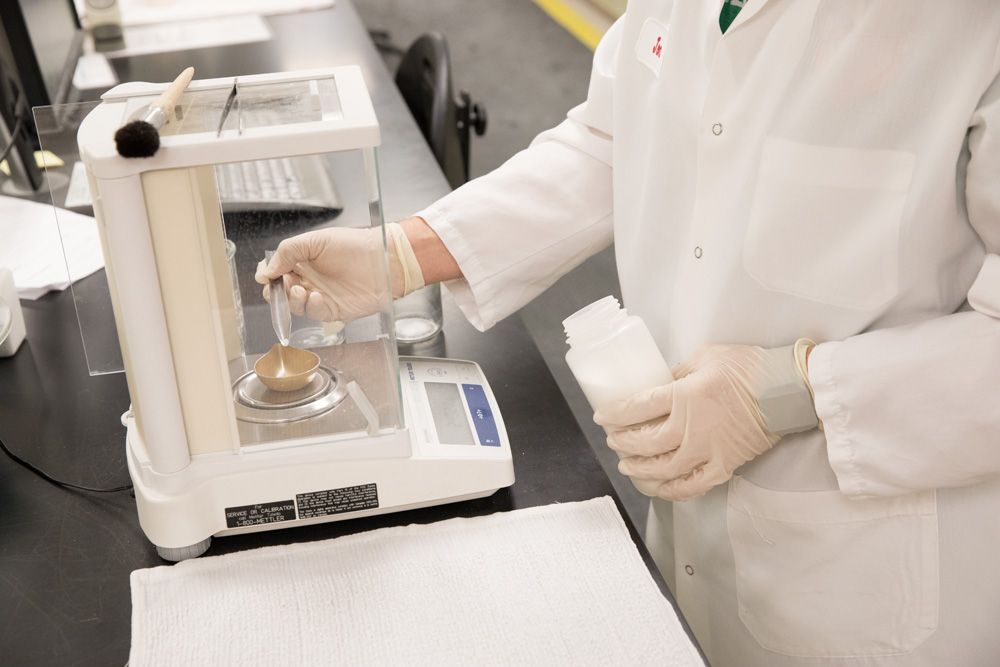

Get the right borate for your process
U.S. Borax technical experts are available to help you select borate product samples and assist with lab testing and pilot trials. You’ll get the product you need and the support that matters to ensure optimal fusion temperature, adhesion strength, and processability for your application.
Cost-effective borates: Realize greater value in use
Industrial organizations that make and use ceramics, enamels, and glazes improve production efficiency through process and raw materials optimization.
Starting with a lower-quality mineral borate introduces greater costs into your process:
Inconsistent product quality, resulting in product scrap, waste, and recalls
Additional time and expense in expanded borate sample testing
Continual adjustments to batch formulation to adapt to variable B2O3 concentrations
In contrast, highly pure, refined borates reduce:
Time consuming and repetitious acceptance sampling
Waste and scrap of defective product
Time, cost, and energy consumption compounded by rework


Propelling sustainability goals
High-quality refined borates in the manufacturing processes significantly lower the melting temperature required for production of ceramics, enamels, and glazes. A lower temperature in the furnace means less fuel is required to melt the materials, leading to improved energy efficiency—and reduced carbon emissions.
Technical expertise on your side
When you work with U.S. Borax technical experts, you get a partner who will recommend cost-saving solutions such as:
Adjustments to your product composition or raw materials mix to reduce overall costs
Specific borate selection to ensure optimal performance in your application and process
Use of concentrated borates (such as Neobor) when possible—so you can use less







U.S. Borax is a member of: