Boron in adhesives, caulks, and sealants
The adhesive industry moves quickly without much room for disruption. That’s why it’s imperative to include borates in your starch-based or dextrin-based adhesive to reach optimum viscosity, resulting in greater tack, faster bonding, and the right fluid properties. What’s at stake if your adhesive doesn’t possess these qualities?
Manufacturing may experience costly downtime, equipment malfunctions, and unsatisfactory finished products. Insufficient boron levels often result in poor adhesion or deficient solubility, causing water damage on a material’s surface.
That’s why many cellulosic product manufacturers—from paper bag producers to corrugated board—use borates as a fundamental component in starch-based adhesive formulations.
High-quality borates from a reliable supplier such as U.S. Borax are the key for unlocking stronger bonds and ensuring production is right the first time.
)


Borates: The trusted additive for starch-and-dextrin based adhesive formulations
Starch and dextrin adhesives for a range of cellulosic-based products benefit from borates’ ability to:
Increase tack speed
Achieve optimum viscosity
Improve fluid properties
Avoid gummy, stringy properties
These qualities ensure the adhesive withstands high operating speeds and pressure imposed by production equipment. Manufacturing remains error-free and efficient.
Learn more about how borates work in starch and dextrin adhesives
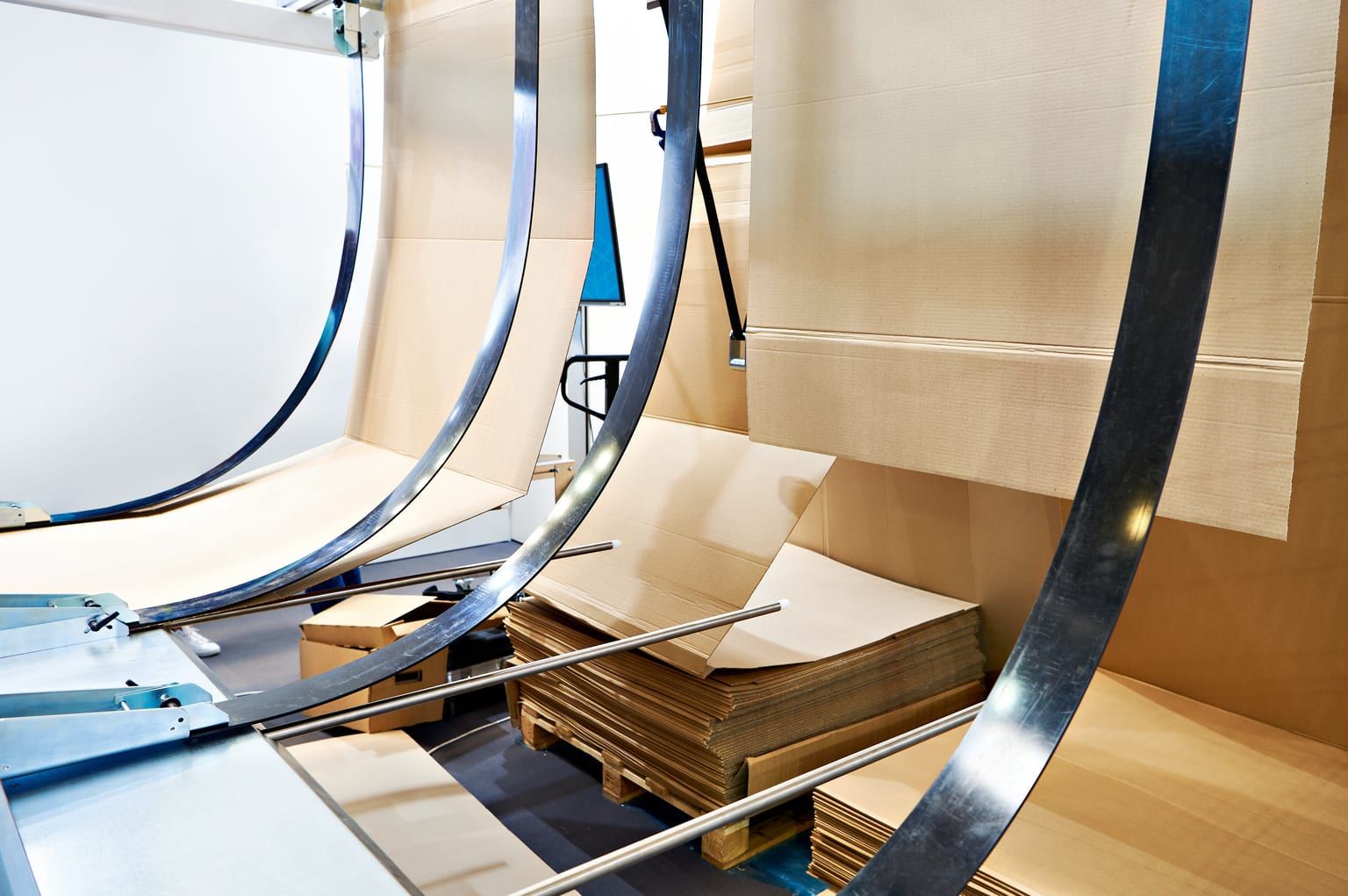
Products using boron in adhesives:
Corrugated box board
Paper bags (grocery and multiwall)
Paper boxes
Carton and case sealing
Paper and board tube winding
Laminated paper board
Gummed paper and tape
Textile sizing
Better bonding starts with correct viscosity
To produce a starch adhesive formulation that meets the demands of industrial applications, starch adhesive’s tack and viscosity must be optimized. Depending on your process, starch is treated with either a hot aqueous solution of soda ash or caustic soda plus a borate compound. Borester anions create a more highly branched chain polymer with a higher molecular weight, which results in improved viscosity and tack.
A closer look at borates’ function in adhesives for paper and other cellulosic products
Borates’ impact on adhesives and overall product quality is felt across several production lines.
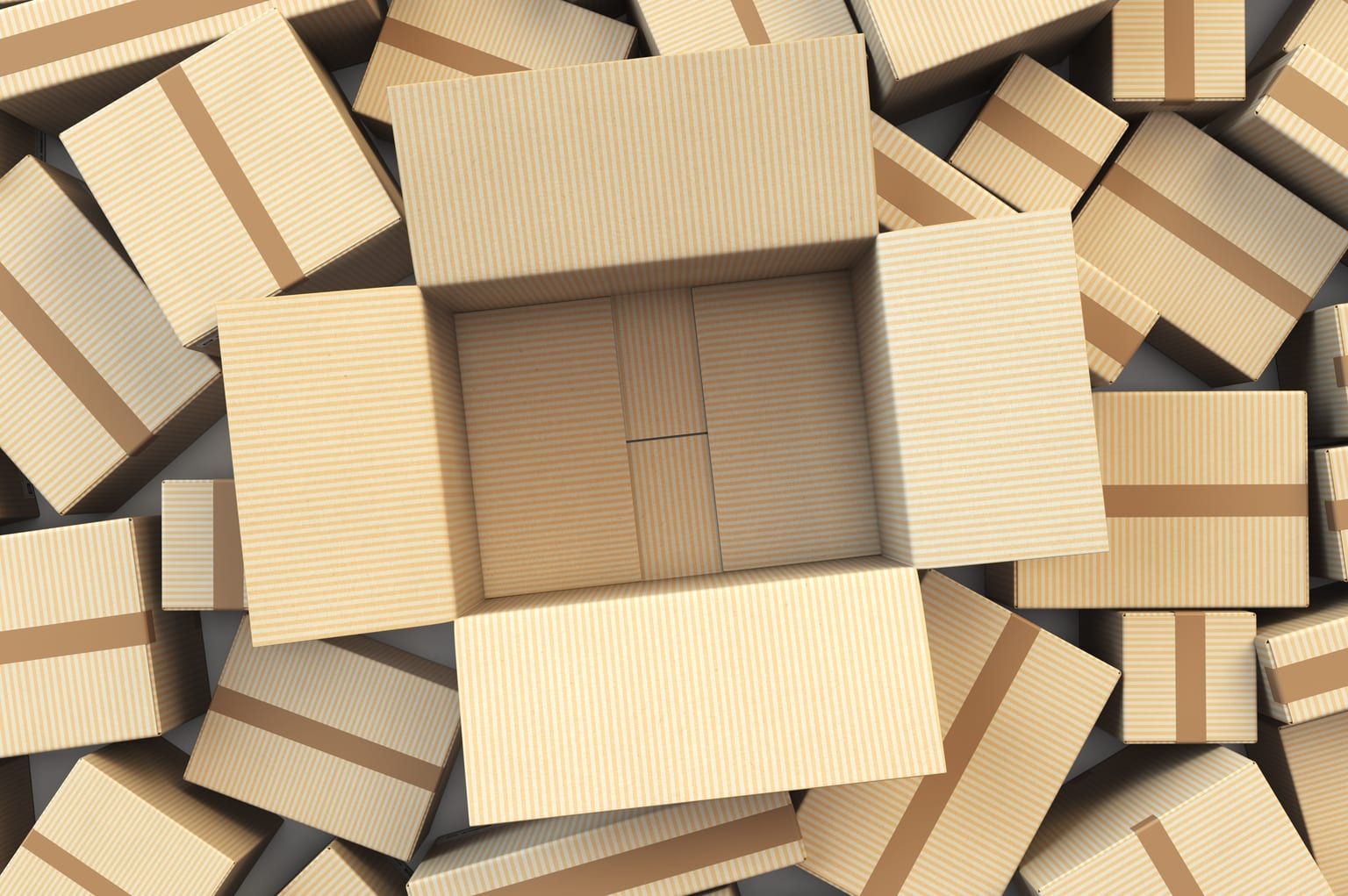
Boxes and corrugated cardboard
You’ll find borates in high performing starch-based adhesive for corrugated boxes and cardboard. Borates are used in the patented Stein-Hall process to increase the rate of gelatinization and achieve optimum viscosity.
Box-sealing adhesives
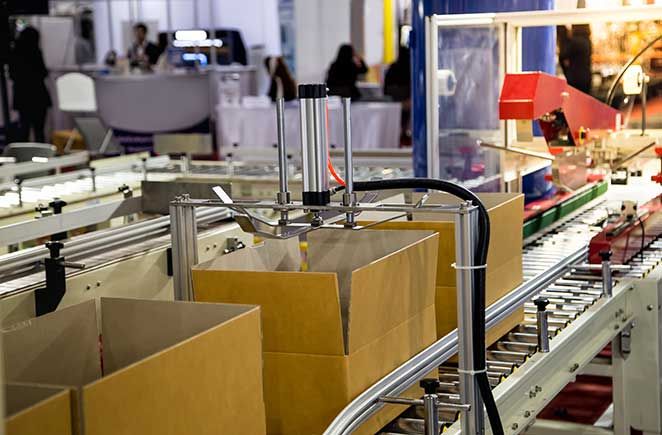
These adhesives must strike a fine balance. A successful box-sealing adhesive is:
Thin bodied, but not too gummy or stringy
Able to wet the board without soaking it under pressure
Low foaming
Warp-resistant
The right tack speed
Starch-based adhesives used during the ending process are usually high-solubility/low-viscosity types blended with borax (10-15%) and high in solids (40-55%).
Paper bags
There are two main types of adhesives for paper bags: Seam and bottom.
Seam
These are either starch or dextrin-based adhesives and may include borax, sodium metaborate, soda ash, and metasilicate. Excellent fluidity, non-foaming, and stable viscosity are desired attributes.
Bottom
They should:
Be sufficiently thixotropic, keeping the paste roll covered without collapsing under the roll action
Adhere sufficiently and release well from the stencil applying the paste
Have enough wet tack to hold the bottoms closed until bags are bundled, wrapped, or weighted
Form a good dry bond

Tube winding
Whether you're producing convolute or spiral tubes, you need adhesive with free flow and the correct tack for the speed of the tube run and length of cutoff.
Borates for fire resistant caulks, sealants, and epoxy
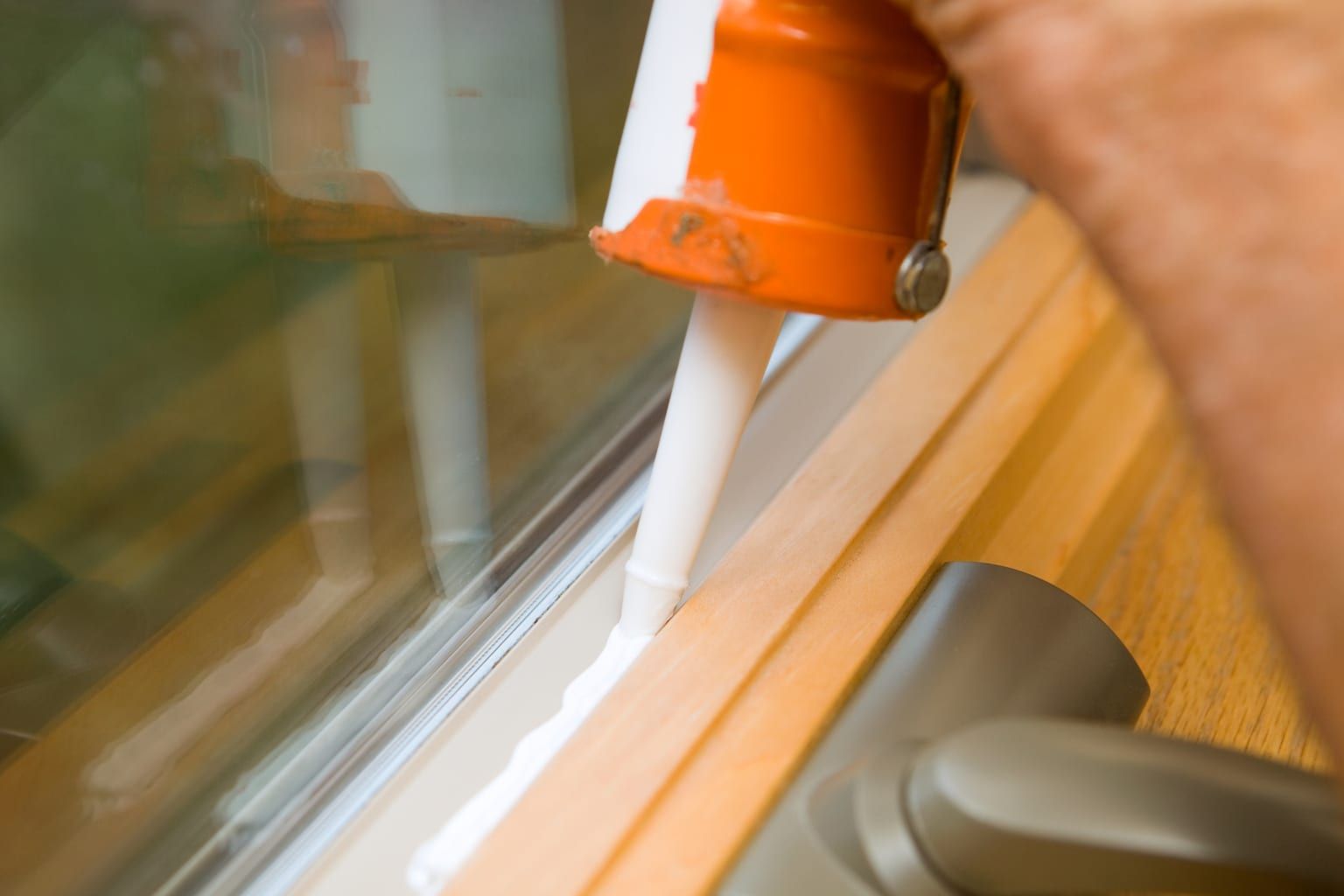
Zinc borates, under the Firebrake® product family, can improve tack performance of caulks and sealants. But it’s their excellent fire retardancy performance that can provide unique value as an additive in these applications.
Halogen-containing epoxy
In epoxy formulations, Firebrake ZB can:
Replace 40-100% of antimony trioxide without affecting flame performance
Suppress smoke formation, and have a synergistic effect with antimony trioxide, if present
Promote char (intumescent applications of epoxy resins)
Halogen-free epoxy
Firebrake ZB is synergistic and can be used in conjunction with ammonium polyphosphate, alumina trihydrate, and silica for passing fire retardant standards.
Sealants
If a sealant with Firebrake ZB is exposed to heat, it expands to prevent the spread of fire into openings.
Epoxy adhesives
In both halogen and halogen-free epoxy adhesives, Firebrake ZB is used as a:
Flame retardant
Smoke suppressant
Afterglow suppressant
Why work with U.S. Borax to produce better adhesives, caulks, and sealants?
Pure, consistent, and flexible product options
Quality, consistency, and correct particle size distribution are paramount to controlling an adhesive’s properties. U.S. Borax delivers on all three fronts. We also offer products in special particle sizes, such as borax decahydrate.
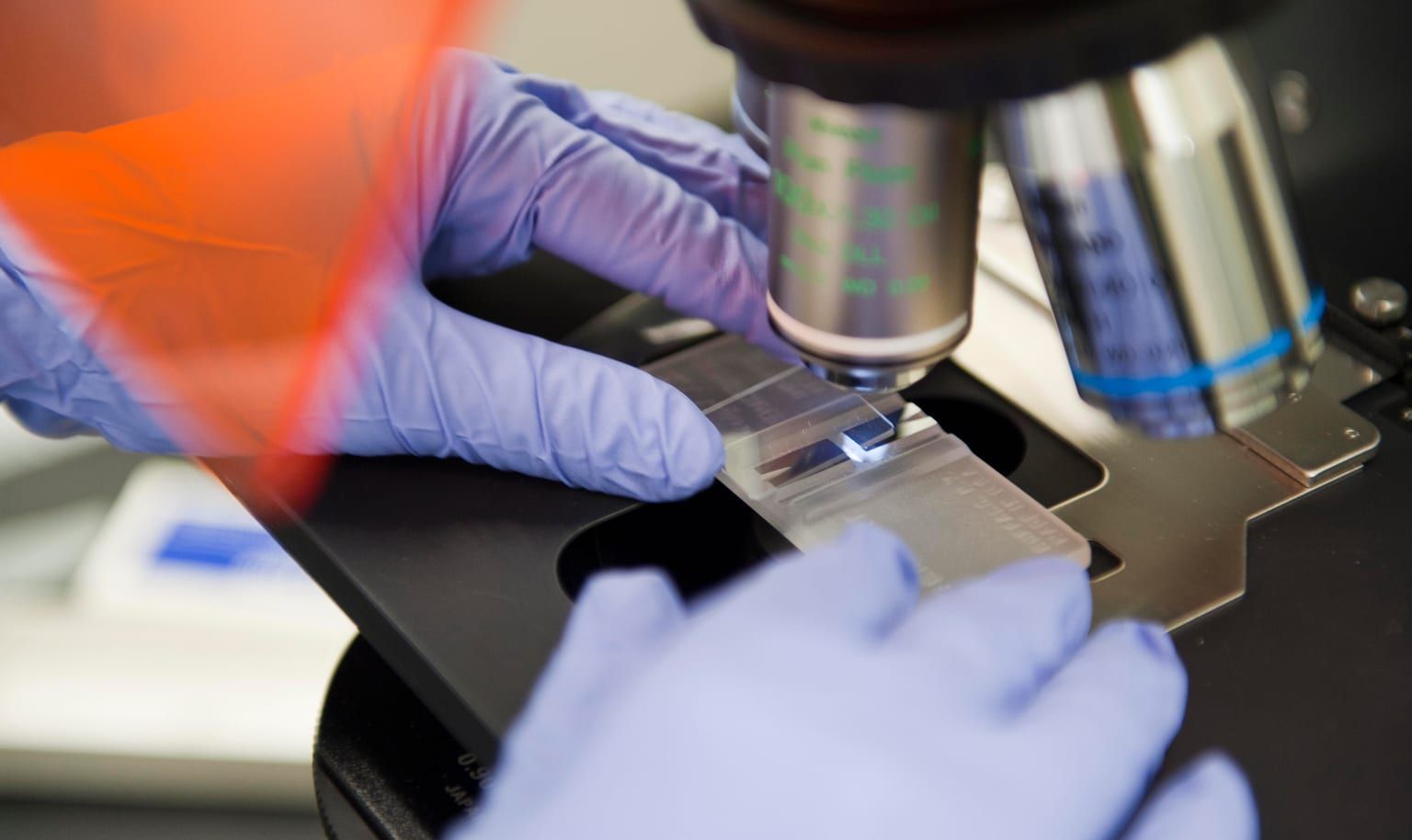
Non-stop innovation and improvement
Since our company’s founding, research and development has been fundamental to our success. More recently, we developed a product called Polybor® Flow, a liquid that can be used for starch-based adhesives.

Unmatched technical support and guidance
When you choose U.S. Borax as a partner, you can trust our technical team to offer guidance on specific technical details—from formulation recommendations to navigating evolving regulations to controlling caking effects in borates.