Boron in polymers and coatings
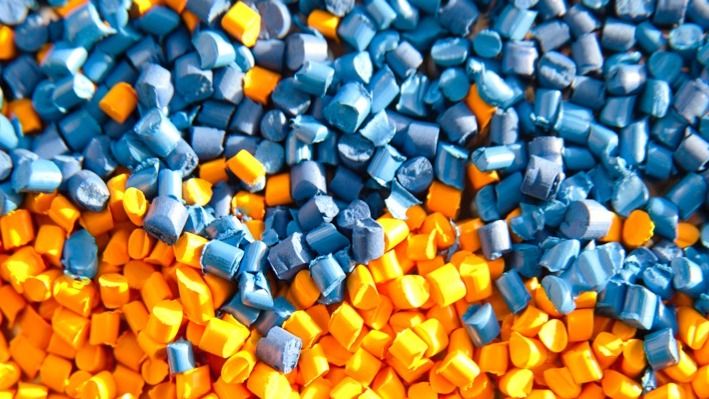
Polymers are everywhere—from plastics and wiring to building materials and cars. Despite clear benefits, polymers ignite and burn easily—a trait manufacturers must try to inhibit by creating an effective fire-retardant formulation.
That’s why many polymer formulations incorporate zinc borates during processing. Compared to other flame-retardant additive choices available today, borates are naturally occurring, multi-functional, and possess strong synergistic effects when used with other flame retardants.
When you’re balancing factors such as cost, quality, process stability, and safety, even a small concentration of borates can improve your formulations without disrupting sensitive production processes. Borates can help polymers exceed flammability requirement standards such as UL94 and reach the market as safe, durable products. While boron’s use as a flame retardant is the primary commercial application in polymeric materials, borates can impart valuable benefits in coatings.


Zinc borates: Effective fire retardant
For better performance against flame, smoke, and arcing, sourcing high-quality, refined borates is vital.
Zinc borates are versatile—you can add them to halogen-containing or halogen-free polymer formulations. Depending on formulation needs, you can use zinc borates independently or combine them with other flame retardants such as metal hydroxides aluminum trihydroxide (ATH) and magnesium dihydroxide (MDH).
Compared to market alternatives, our refined borates possess low impurity levels, consistent morphology, high thermal stability, and high bulk density. These attributes positively impact benefits such as:
Inhibiting flame combustion: When combustion conditions are present, borates can release water from their structure to inhibit flames.
Promoting char formation: When flames ignite, borates form a carbonaceous char and a vitreous, insulation-like layer that strengthens and stabilizes the char. Char slows pyrolysis and produces a barrier to impede the release of additional gases that can fuel combustion.
Suppressing smoke formation and afterglow: Borates’ ability to turn part of a polymer into char rather than smoke helps reduce harmful air for consumers.
Anti-tracking/anti-arcing agent: For materials producers who need to instill low electrical connectivity properties in their polymers, boron provides anti-tracking and anti-arcing benefits.
Almost any type of polymer system can benefit from borates’ fire retardant properties, including:
Coatings (acrylic, epoxy, polyurethane)
EPDM rubber
Epoxy
Neoprene
Phenolic
Polyamides (PA6, PA66, PA12)
Polycarbonate
Polyester
Polyolefins (polypropylene, polyethylene, EVA)
Polystyrene
Polyurethane
PVC
SBR
Silicone rubber
Unsaturated polyester
WPCs (HDPE/PP/PVC with natural fibers)
Zinc borates’ high thermal stability, synergistic qualities avoid process disruption
Any moisture in your incoming raw materials can disrupt your process, resulting in costly defects. Some fire-retardant additives start releasing water at 200 °C, causing bubbles or blisters to appear. Firebrake® zinc borates possess high thermal stability—an important quality during extrusion, where high temperatures melt and shape polymers.
Ensuring cooperation between all additives in a formulation is equally important to successful processing. Borates are halogen-free and synergistic, enhancing other additives’ capabilities under certain conditions.

How coatings benefit from zinc borates
Many coating formulations feature borates as an additive, with zinc borate as one of the most used. While zinc borates are most known for fire retardant characteristics, they possess additional key benefits for a range of coating applications.
Anti-corrosion: Both organic solvent-based and water-based coatings can benefit from the anti-corrosion properties zinc borates impart.
Infrared radiation (IR) absorption: Borates absorb IR radiation and reduce radiative heat transfer, making them great for applications such as greenhouse film covers using polyethylene or polycarbonate.
Tannin stain blocking: Wood primers and topcoats treated with zinc borates can significantly reduce discoloration of wood coatings.
Ultraviolet (UV) protection: Zinc borates are made by synthesizing zinc oxide and boric acid. Zinc oxide works as an ultraviolet absorber in polymer materials, reducing harmful ray exposure and extending the life of the material.
Adhesion promotion: A coating’s durability rests on proper adhesion. Zinc borates can help adhesion between coating films and metal substrates.
Stability: Adding zinc borates to aqueous paint stabilizes the pH level, a crucial property that fights paint’s propensity to gel or coagulate.
Why work with U.S. Borax to make your polymers effective and fire retardant?
We offer high-quality products, a rich history of research and development, sustainability benefits, and technical expertise.
Elevated product quality
For more than 150 years, we’ve been a world leader in refined borates. Our reputation depends on mining and refining high-quality products that satisfy stringent specifications. Even the slightest impurities can have major negative consequences such as product discoloration, production equipment damage, and negative processing events such as burning—that’s why we ensure quality standards in every batch.


Repurposed war planes (“Borate Bombers”) with borate compound helped fight enormous wildfires near Los Angeles in the 1960s.
Unparalleled technical expertise
Our technical team can equip you with knowledge to test and develop formulations that meet your specific polymers and coatings needs. Plus, we can recommend loading for formulations and provide other guidance so your polymers can meet your product requirements.


Consumer and regulatory stakeholders are more ESG conscious than ever. By partnering with U.S. Borax, you can assure them you are sourcing from a responsible, sustainable producer. We’re investing in projects to reduce our carbon footprint, improve land and resource stewardship, and increase diversity in operations